
What Does Drone Insurance Cover? A Guide for Bay Area Operators
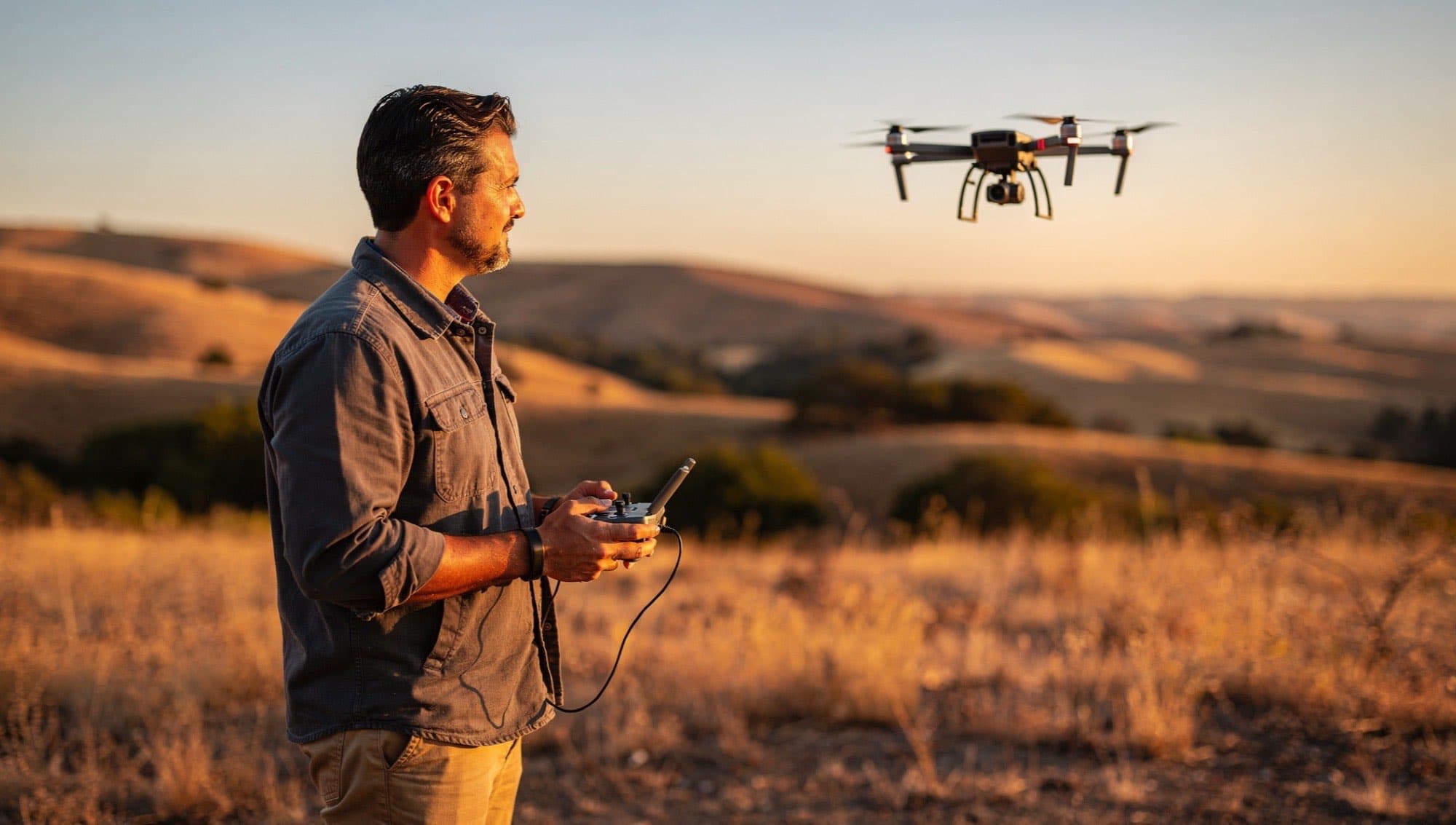
If you operate a drone—whether for photography, inspection work, or recreation—you need to understand what happens if something goes wrong. Drone insurance exists to protect you when your aircraft damages property, causes injury, or gets damaged itself. But coverage varies widely depending on the policy and your use case.
As drone technology becomes more common in the Bay Area, more people are discovering that homeowner's insurance and standard auto policies don't cover unmanned aircraft. That's where specialized drone insurance comes in. Understanding what's actually covered (and what isn't) helps you choose the right protection for your situation.
Liability Coverage
Protects you if your drone injures someone or damages their property. This is the core of most drone policies.
Hull Coverage
Covers damage to your drone itself from crashes, collisions, or weather—similar to comprehensive auto coverage.
Commercial vs. Recreational
Commercial drone work (inspections, real estate photos, surveying) requires different coverage than hobbyist flying.
Policy Limits & Exclusions
Coverage amounts and excluded activities vary by insurer. You need to review the specifics of each policy.
Liability Coverage: Your Primary Protection
Liability is the backbone of drone insurance. If your drone collides with someone's car, flies into a building, or injures a person on the ground, liability coverage steps in to pay for repairs, medical bills, or legal defense—up to your policy limit.
Most drone policies offer liability limits ranging from $1 million to $5 million. For commercial operators in Santa Clara and across the Bay Area, higher limits are common because the stakes are bigger. A real estate photographer flying near occupied homes, for example, typically carries more liability coverage than a hobbyist flying in an open field.
Liability coverage usually includes legal defense costs, which is crucial. Even if a claim is frivolous, defending yourself legally is expensive. Your insurer covers those costs.
Hull Coverage: Protection for Your Equipment
Hull coverage protects your drone itself. If you crash into a tree, fly through a power line, or your aircraft gets struck by another object, hull coverage pays for repair or replacement.
Like auto insurance, hull coverage typically comes with a deductible. You might choose a $500 or $1,000 deductible to lower your premium, or pick a lower deductible if you want more protection against smaller repair bills.
Hull coverage doesn't cover intentional damage or use of your drone for illegal purposes. It also won't cover normal wear and tear or maintenance issues unrelated to an accident.
If you own multiple drones or expensive equipment, ask about coverage for cameras, sensors, and other payload equipment. Some policies cover these separately or require an endorsement.
Commercial vs. Recreational Operations
Insurance companies distinguish between flying for fun and flying for profit. If you operate a drone commercially—delivering inspections, taking real estate photos, mapping properties, or surveying land—you need commercial drone insurance. Recreational policies won't cover business use.
Commercial policies are more expensive because they assume higher risk and more frequent flying hours. They also typically include higher liability limits. If you occasionally do paid drone work but think of yourself as a hobbyist, clarify this with your insurer. Misrepresenting your use could lead to a denied claim.
Part-time contractors in the Santa Clara area—construction inspectors, HVAC technicians, or real estate agents who occasionally use drones—need to make sure their coverage actually applies to their work.
What Drone Insurance Typically Excludes
Coverage gaps are common. Most drone policies don't cover losses related to:
- Flying where you're not legally permitted to operate (restricted airspace, private property without permission)
- Operating without required FAA certifications or licenses
- Flying under the influence or recklessly
- Use for illegal purposes
- War, terrorism, or civil unrest
- Damage to your own property or equipment left unattended in hazardous conditions
Some policies also exclude coverage for certain types of drones (very large or very small models) or specific industries. Heavy-lift drones, racing drones, and autonomous systems sometimes fall outside standard policies.
Why You Can't Rely on Your Homeowner's Policy
You might assume your homeowner's or renter's insurance covers your drone. It doesn't. Most homeowner policies explicitly exclude unmanned aircraft—both the drone itself and any liability it causes.
Similarly, your auto or business policy likely won't cover drone-related incidents. Drones operate in airspace, under different regulations, and present unique risks that traditional policies don't address. That's why specialized coverage exists.
If you're a contractor or small business owner who uses drones, bundling drone coverage with your general liability or commercial property policy can sometimes save money and simplify your insurance portfolio.
Choosing the Right Coverage for Your Situation
The right drone insurance depends on how you fly. A recreational enthusiast flying in open parks might choose a policy with lower liability limits and no hull coverage. A commercial operator working on multiple job sites daily needs robust liability coverage and comprehensive hull protection.
Consider these questions:
- Do you fly commercially or recreationally?
- How often do you fly, and in what environments?
- What's your drone worth, and how much would you pay out of pocket to replace it?
- How much liability risk are you comfortable with?
- Does your work involve sensitive locations (near hospitals, airports, power plants) where higher liability limits make sense?
If you're starting a business that uses drones or you fly regularly in populated areas, a consultation with an insurance professional makes sense. Coverage needs vary, and an agent who understands your specific operations can recommend limits and endorsements that actually protect you.
The Bottom Line
Drone insurance covers liability (if your drone hurts someone or damages property) and hull damage (if your drone gets damaged). But the specifics—coverage limits, deductibles, exclusions, and whether commercial operations are covered—vary widely by policy.
Don't assume you're protected. If you operate a drone for any reason, talk to an insurance agent about what you actually need. In the Bay Area, drone operations are becoming more common, and regulators expect operators to carry appropriate coverage.
Get Clarity on Drone Insurance Coverage
We can help you understand what protection makes sense for your flying situation.