
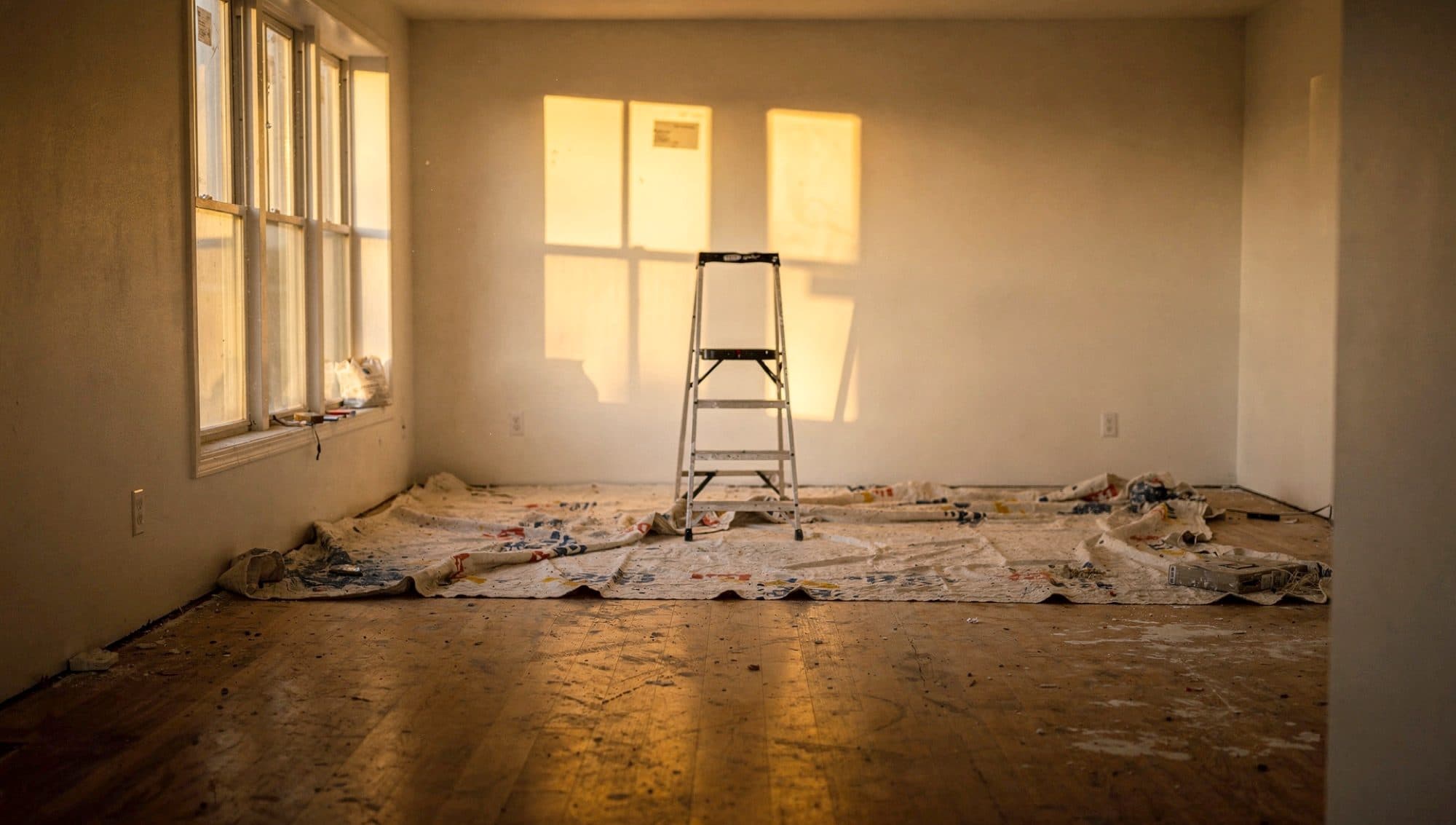
Vacant & Unoccupied Property Insurance
Standard homeowners and landlord policies typically stop covering a property once it's vacant for 30–60 days. If you're renovating, between tenants, or holding an inherited property, vacant property insurance keeps you protected against fire, vandalism, and liability during that gap.
What it covers
- Fire and smoke damage while the property sits empty
- Vandalism and malicious mischief
- Liability protection if someone is injured on the property
- Weather-related damage, depending on the policy form
- Optional coverage during an active renovation
Who needs it
Owners renovating a property, waiting between tenants, holding an inherited home while an estate settles, or carrying a property that has not sold yet.
The trigger is the vacancy clause in your existing policy, not your intent — once the property crosses that window, coverage can lapse whether or not you meant to leave it empty.
Common gaps we see
Almost every standard policy contains a vacancy clause that suspends key coverage after roughly 30 to 60 consecutive days. Owners usually find out it applied only when a claim is denied. If a property is going to sit empty, tell us before the window closes rather than after.
How SureNest helps
As an independent broker, we compare multiple carriers to match your situation with the right policy — not a one-size-fits-all plan pushed by a single insurer.